


CrossFit has a branding problem when it comes to women.
Spend ten minutes on social media and you’ll see two extremes. On one side, viral videos of elite female athletes flipping tyres and ripping their hands open. On the other side, articles warning women that CrossFit will make them “too muscular,” wreck their knees, and turn them into a different person entirely.
Neither extreme is accurate. The reality of CrossFit for the average woman in Ajman is far more ordinary and far more useful than either picture suggests. Let me walk you through the myths I hear most often.
Myth 1: CrossFit will make me bulky
This is the most persistent fear, and it’s based on a misunderstanding of how the human body builds muscle. Building visible, large muscle requires a specific combination of progressive overload, hundreds of extra calories per day, years of consistent effort, and male hormone levels.
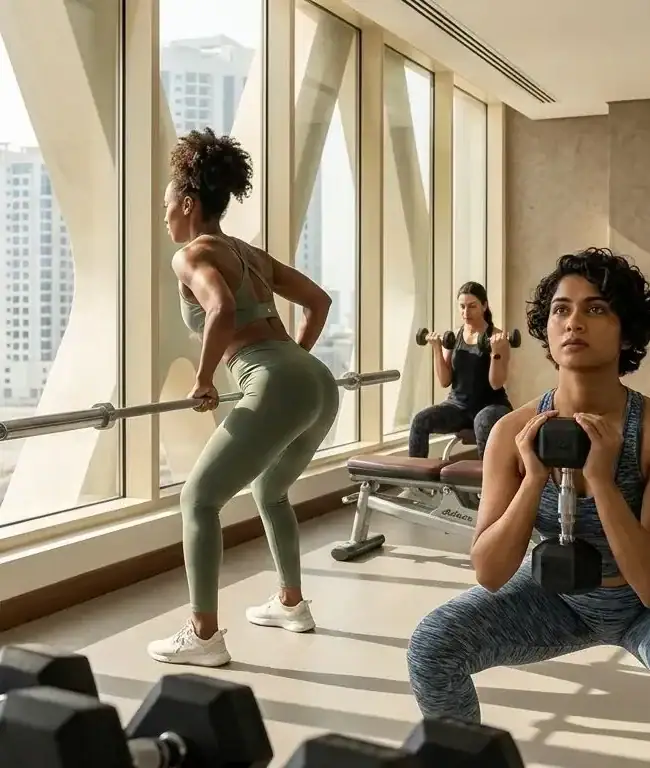
Women in CrossFit, training three to five times a week and eating normally, get strong. They get defined. They build the shoulders, glutes, and core that show through clothes. They do not accidentally end up looking like bodybuilders. The female CrossFit athletes you see on TV who do look very muscular trained specifically and ate aggressively to get there, often over a decade. You are not on that path by signing up for classes.
Myth 2: CrossFit is too dangerous
CrossFit gets a bad reputation for injuries, partly fair and partly not. The fair part: any sport that loads the body under fatigue carries risk if the coaching is bad. The unfair part: research has consistently shown CrossFit injury rates similar to or lower than rugby, gymnastics, and running.
The actual injury risk in CrossFit depends almost entirely on three things:
- Coaching quality. A real CrossFit coach scales movements, watches form, and stops you before fatigue compromises your technique.
- Your ego. Choosing weights that match your level, not your pride, keeps you safe.
- Recovery. Trying to do five intense sessions a week as a beginner is the fastest route to injury.
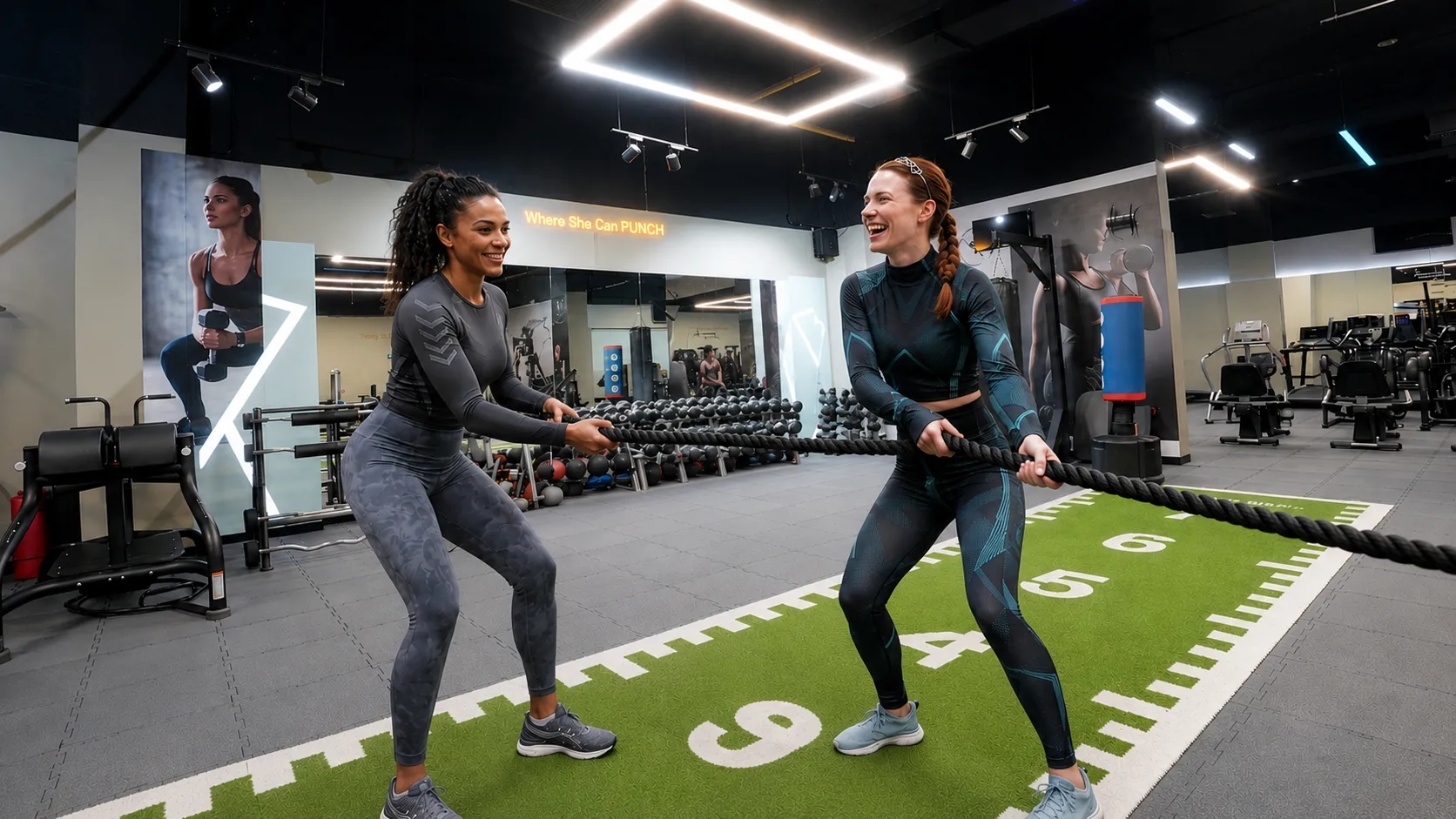
At Virago, the CrossFit program is a separate, coached program — not a free-for-all. That structure is what makes the difference.
Myth 3: You have to be fit before you start
This is the saddest one because it keeps the most beginners away. The idea is: I’ll get in shape first, then I’ll join CrossFit.
You don’t get in shape first. You get in shape by starting. Every CrossFit movement can be scaled — the box jump becomes a step-up, the pull-up becomes a ring row, the snatch becomes a light dumbbell version. The intensity adjusts to your level, not the other way around. The woman next to you doing pull-ups started exactly where you are.
Myth 4: CrossFit is only for athletes in their twenties
Some of the strongest, most consistent women in our CrossFit program at Virago are in their forties and fifties. They train alongside the twenty-year-olds, scale the workouts to their level, and often finish in better times than their younger classmates.
Strength training becomes more important with age, not less. The body’s natural muscle loss starts in your thirties and accelerates after fifty. CrossFit’s mix of strength, conditioning, and mobility is genuinely one of the best protocols for women in midlife who want to stay strong, balanced, and confident in their bodies.
Myth 5: It’s a cult
CrossFit gyms have a reputation for being insular, intense, and a little culty. Some are. Honestly. The serious competitive ones can feel like that to outsiders.
Most CrossFit communities, though, are just gyms where the members happen to know each other’s names. The high-five culture, the post-WOD chatter, the inside jokes about specific workouts — that’s not cultishness. That’s what happens when people sweat next to each other three times a week for a year. You’ll find the same thing in a regular gym; it’s just that CrossFit packages it more visibly.
If you’re worried about being pulled into something intense and consuming, you won’t be. You can do CrossFit two or three times a week and live a completely normal life. Most members do.
Myth 6: I’ll have to compete
Nobody is going to make you compete. The CrossFit Open exists, and some women love it. Many never sign up, and that’s completely fine. Your CrossFit experience can be entirely about getting strong, conditioned, and confident in a workout class. The competition is optional, occasional, and ignorable.
Myth 7: CrossFit is bad for women’s bodies
Some articles claim CrossFit damages the pelvic floor, disrupts the menstrual cycle, or harms fertility. The honest version: any extreme training combined with under-eating can affect a woman’s hormones. That’s true of marathon running, ballet, and competitive cycling, and it’s true of CrossFit at very high volumes.
For the typical CrossFit class member training three to four times a week and eating enough, none of those issues come up. Your body responds to balance. CrossFit done with proper coaching, adequate fuel, and rest is supportive of women’s health, not harmful to it.
What CrossFit actually delivers for most women
- Real, measurable strength gains within a few months.
- A body that looks more defined and feels more capable.
- Better cardiovascular fitness than most people achieve from cardio alone.
- A skill set — Olympic lifts, gymnastics moves, conditioning — that you can be proud of.
- A genuinely social training environment, which keeps consistency high.
The honest bottom line
CrossFit is hard. It’s not for everyone. Some women try it and prefer Pilates, or Zumba, or strength training without the timed workouts. That’s a perfectly reasonable conclusion.
But the women who avoid CrossFit because they think they’ll get bulky, or hurt themselves, or fail in front of the room — those women are missing out on a methodology that, when properly coached, builds some of the strongest, most confident female athletes you’ll meet.
Try one class before you decide. The myths usually die in the first ten minutes.